
Trip overview
Lobuche Peak Climbing – The Ultimate Technical Peak Adventure in the Everest Region
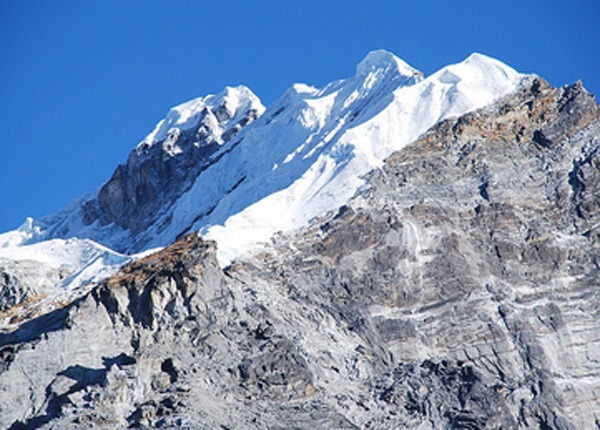
Lobuche Peak Climbing is one of Nepal’s most exciting climbing adventures, offering experienced trekkers the opportunity to summit a technical Himalayan peak at 6,119 meters (20,075 ft.). Located in the heart of the Everest region, Lobuche Peak is a popular choice for climbers preparing for an Everest Expedition or those looking to take their first step into technical mountaineering.
Unlike trekking peaks that require only basic hiking skills, Lobuche Peak combines glacier travel, steep snow slopes, rock scrambling, fixed ropes, and breathtaking alpine scenery. The reward is a spectacular summit overlooking Mount Everest, Lhotse, Nuptse, Ama Dablam, Pumori, Thamserku, and the Khumbu Glacier.
Many climbers combine Lobuche Peak Climbing with the Everest Base Camp Trek 12 Days itinerary or choose the longer Everest Base Camp with Island Peak Climbing adventure. These combinations provide excellent acclimatization while allowing trekkers to experience the best of the Khumbu region.
Why Choose Lobuche Peak Climbing?
Lobuche Peak is considered one of the most rewarding climbing peaks in Nepal. While it is more technical than Island Peak, it remains achievable for fit climbers with proper preparation and guidance.
The climb offers everything an alpine enthusiast could want, including high-altitude trekking, glacier crossings, rope work, snow climbing, and panoramic Himalayan views. It is also an excellent training peak for climbers planning future expeditions to Mount Everest or other 7,000- and 8,000-meter mountains.
Because of its location near Everest Base Camp, many trekkers decide to extend their adventure by climbing Lobuche Peak after completing the classic Everest Base Camp Trek 12 Days. This allows for better acclimatization and increases the chances of a successful summit.
Lobuche Peak Climbing Route from Lukla
Most Lobuche Peak Climbing adventures begin with a flight to Lukla, the gateway to the Everest region. From Lukla, the trail follows the classic Everest trekking route through picturesque Sherpa villages and beautiful mountain landscapes.
The journey typically passes through:
Lukla- Phakding- Namche Bazaar- Tengboche- Dingboche- Lobuche-Lobuche Base Camp-High Camp-Lobuche -Summit
Trekkers enjoy comfortable tea houses during the trekking section before moving into high-altitude climbing camps near the summit. Professional climbing guides provide safety briefings, equipment checks, and rope training before summit day.
If you are looking for a shorter trekking experience, the Everest Base Camp Trek from Lukla is an excellent option before attempting Lobuche Peak.
Combine Lobuche Peak with Everest Base Camp
One of the biggest advantages of Lobuche Peak Climbing is its location close to Everest Base Camp. Most climbers first visit Everest Base Camp and Kala Patthar before returning to Lobuche for the climbing section.
This combination provides several benefits:
- Better altitude acclimatization
- Opportunity to visit Everest Base Camp
- Sunrise from Kala Patthar
- Higher summit success rate
- A complete Everest region experience
Many climbers choose the Everest Base Camp with Island Peak Climbing itinerary but later decide on Lobuche Peak because it offers a more technical climbing challenge. Both peaks are excellent introductions to Himalayan mountaineering and serve as preparation for future expeditions.
Lobuche Peak vs. Island Peak Climbing
Lobuche Peak and Island Peak Climbing via EBC are Nepal’s two most popular trekking peaks in the Everest region. Both exceed 6,000 meters and require climbing equipment, but they offer different experiences.
Island Peak features longer glacier travel and a famous headwall near the summit, making it ideal for beginners learning mountaineering techniques.
Lobuche Peak, on the other hand, is generally considered more technical due to its steeper rock sections, exposed ridges, and mixed snow-and-rock terrain. Climbers need confidence using crampons, harnesses, fixed ropes, and ice axes.
Many experienced trekkers complete both peaks on separate trips before joining an Everest Expedition.
Perfect Addition to the Three High Passes Everest Trek
Adventure seekers looking for the ultimate Everest experience often combine Lobuche Peak Climbing with the Three High Passes Everest Trek.
This challenging trekking route crosses Kongma La Pass, Cho La Pass, and Renjo La Pass while visiting Everest Base Camp, Gokyo Lakes, Kala Patthar, and numerous Sherpa villages.
Adding Lobuche Peak transforms the journey into one of Nepal’s most complete alpine adventures. It combines high-altitude trekking, technical climbing, spectacular viewpoints, and rich Sherpa culture in a single itinerary.
Summit Day Experience
Summit day usually begins before dawn. Climbers leave High Camp early while wearing climbing harnesses, helmets, crampons, and warm mountaineering clothing.
After ascending rocky slopes and snow-covered ridges, fixed ropes help climbers negotiate the steeper sections near the summit.
Standing on the summit of Lobuche Peak is an unforgettable achievement. The surrounding panorama includes Everest, Lhotse, Nuptse, Ama Dablam, Pumori, Cholatse, Makalu, and countless Himalayan peaks stretching across eastern Nepal.
After celebrating the summit, climbers descend carefully to Base Camp before returning to Lobuche village.
Best Time for Lobuche Peak Climbing
The best seasons for Lobuche Peak Climbing are spring (March to May) and autumn (September to November).
Spring offers stable weather, blooming rhododendron forests, warmer temperatures, and excellent climbing conditions. Autumn provides crystal-clear mountain views, dry trails, and comfortable trekking weather after the monsoon.
Winter climbs are possible but involve colder temperatures and more challenging conditions. The summer monsoon season is generally not recommended due to heavy rainfall and poor visibility.
Difficulty and Preparation
Lobuche Peak is considered a challenging trekking peak. Although previous technical climbing experience is helpful, many first-time climbers successfully reach the summit after receiving basic mountaineering instruction from experienced guides.
Good physical fitness, endurance, and proper acclimatization are essential for a safe and enjoyable climb.
Training before the trip should include cardiovascular exercise, strength training, hiking with a backpack, and stair climbing. Familiarity with crampons, ice axes, and fixed ropes can also improve confidence during the climb.
Choosing an experienced guide significantly increases both safety and summit success.
Why Climb with a Professional Guide?
A professional climbing guide provides much more than route navigation. Guides monitor altitude sickness symptoms, organize climbing equipment, establish safe camps, manage fixed ropes, and make important decisions based on weather and mountain conditions.
Reliable operators also provide experienced Sherpa climbing guides, quality camping equipment, nutritious meals, and emergency support throughout the expedition.
Whether you are planning Lobuche Peak Climbing, the Everest Base Camp Trek 12 Days, The Mera Peak Climbing From Khare, the Everest Base Camp with Island Peak Climbing From Chhukung itinerary, or the challenging Three High Passes Everest Trek, traveling with an experienced local team makes your adventure safer, more enjoyable, and more successful.
Lobuche Peak remains one of Nepal’s finest alpine challenges. Combining technical climbing with the legendary Everest trekking route creates an unforgettable Himalayan adventure and provides valuable experience for climbers dreaming of even greater expeditions in the future.
Short Itinerary
Lobuche Peak Climbing from Lobuche - 3 days Itinerary
Day 01. You will meet our Climbing Sherpa and helpers in Lobuche and then Trek to Lobuche High Camp (5370 m.) for 7 hours, stay overnight at a tent
Day 02. Early in Morning Sherpa will lead you to Lobuche Peak Summit and back to Camp, stay overnight at a tent.
Day 03. Back to Lobuche and goodbye to your staff, and then you can back with your trekking guide or group.
Included
- Climbing Sherpa guide
- Climbing permit
- Climbing gears
- All meals (Breakfast, lunch, and dinner) Tea / Coffee during your climbing periods
- Guide's: Meals, insurance, equipment, salary etc.
Not Included
- Rescue operation charge encase.
- your own Climbing gears and boots, you can rent in Lobuche
- Tips for Climbing guide and porter.
Useful Info
Useful Info for Climbing Lobuche Peak
Lobuche Peak Climbing is difficult Climbing Peak in Khumbu. It takes lots of days to even reach the base camp. However, you can adopt the Everest Base Camp Itinerary as well. Moreover, the summit push starts from High Camp. There are many crevasses, few technical sections, and steep inclined snowy sections too. You will have to use basic climbing equipment and gear to reach the Lobuche Peak summit. It is arduous as it is a rocky mountain in Nepal.
The ridge line walking makes it harder to climb.
Trail Length
The distance between the base camp and Lukla is around 33.6 kilometers. It is the highest distance that you cover during the trek. However, it increases if you add Everest Base Camp to your trekking itinerary. There are many downhill, uphill, rugged trails and glacier walking. For any normal person, trekking that distance is not an easy activity. Long-distance trekking can become tiring but end result is rewarding.
Altitude Sickness
Altitude sickness is the biggest factor on this trip. The maximum height on this trip is 6119 m from sea level. Therefore, AMS can happen. The trip starts from Kathmandu which is at 1300 m. The change in altitude is the major cause of altitude sickness. Proper acclimatization is needed. Therefore, our itinerary focuses more on the client’s safety.
Weather & Climatic Conditions
Nepal’s mountain region has unpredictable weather and climatic conditions. Day temperature is normal but night hours are pretty freezing. Weather can change drastically in just an hour. Expect unexpected changes in climate and weather. However, the team will analyze the situation and only decide whether to push or not.
Climbing Preparation
The best way to prepare for climbing is by doing cardiovascular workouts. These kinds of cardio exercises help to increase lung capacity. In order to climb the mountain, you need strong and healthy lungs.
Do some strength-building training like planks, push-ups, and squats. Cycling is also the best option to prepare your body for climbing. Always start these activities 4-5 months before traveling to Nepal for climbing.
Gain some basic mountaineering knowledge. Our team will help you get familiarized with the climbing gears and climbing ideas. Also, follow healthy dietary habits.
| NMA peaks | Cost/Season | Spring | Autumn | Winter | Summer | ||
|---|---|---|---|---|---|---|---|
| SN | Mountain/Peak | Height (m.) | Himalayan Range | March-April-May | Sept-Oct-Nov | Dec-Jan-Feb | June-July-August |
| 1 | Chulu East | 6584m | Damodar | USD 400 | USD 200 | USD 100 | USD 100 |
| 2 | Chulu West | 6419m | Manang | USD 250 | USD 125 | USD 70 | USD 70 |
| 3 | Ganja-la Chuli (Naya Kanga) | 5863m | Langtang Himal | USD 250 | USD 125 | USD 70 | USD 70 |
| 4 | Hiunchuli | 6434m | Annapurna | USD 250 | USD 125 | USD 70 | USD 70 |
| 5 | Imja Tse(Island Peak) | 6165m | Khumbu Himal | USD 250 | USD 125 | USD 70 | USD 70 |
| 6 | Khongma Tse(Mehara Peak) | 5849m | Khumbu Himal | USD 250 | USD 125 | USD 70 | USD 70 |
| 7 | Kusum Kangru | 6360m | Khumbu Himal | USD 250 | USD 125 | USD 70 | USD 70 |
| 8 | Kwangde | 6086m | Khumbu Himal | USD 250 | USD 125 | USD 70 | USD 70 |
| 9 | Lobuje | 6119m | Khumbu Himal | USD 250 | USD 125 | USD 70 | USD 70 |
| 10 | Mera Peak | 6470m | Khumbu Himal | USD 250 | USD 125 | USD 70 | USD 70 |
| 11 | Mt. ABI | 6043m | Mahalangur | USD 250 | USD 125 | USD 70 | USD 70 |
| 12 | Mt. Bokta | 6114m | Kanchenjunga | USD 250 | USD 125 | USD 70 | USD 70 |
| 13 | Mt.Chekigo | 6121m | Gaurishankar | USD 250 | USD 125 | USD 70 | USD 70 |
| 14 | Mt.Cholatse | 6440m | Mahalangur | USD 250 | USD 125 | USD 70 | USD 70 |
| 15 | Mt.Kyazo Ri | 6186m | Mahalangur | USD 250 | USD 125 | USD 70 | USD 70 |
| 16 | Mt.Langsisa Ri | 6412m | Jugal | USD 250 | USD 125 | USD 70 | USD 70 |
| 17 | Mt.Larkya Peak | 6416m | Manaslu | USD 250 | USD 125 | USD 70 | USD 70 |
| 18 | Mt.Lobuje West | 6135m | Mahalangur | USD 250 | USD 125 | USD 125 | USD 70 |
| 19 | Mt.Nirekha | 6159m | Mahalangur | USD 250 | USD 125 | USD 70 | USD 70 |
| 20 | Mt.Ombigaichen | 6340m | Mahalangur | USD 250 | USD 125 | USD 70 | USD 70 |
| 21 | Mt.Phari Lapcha | 6017m | Mahalangur | USD 250 | USD 125 | USD 70 | USD 70 |
| 22 | Mt.Yubra Himal | 6048m | Langtang Himal | USD 250 | USD 125 | USD 70 | USD 70 |
| 23 | Paldor Peak | 5903m | Langtang Himal | USD 250 | USD 125 | USD 70 | USD 70 |
| 24 | Pharchamo | 6279m | Rolwaling Himal | USD 250 | USD 125 | USD 70 | USD 70 |
| 25 | Pisang Peak | 6091m | Manang | USD 250 | USD 125 | USD 70 | USD 70 |
| 26 | Ramdung | 5900m | Rolwaling Himal | USD 250 | USD 125 | USD 70 | USD 70 |
| 27 | Shigu Chuli(fluted peak) | 6501m | Annapurna Himal | USD 400 | USD 200 | USD 100 | USD 100 |
Are You Already in Nepal?
So, if you are already in Kathmandu or Pokhara and seeking to Hire a guide/porter or tour/trekking packages then you can directly contact an expert via WhatsApp at+9779841146306. Or visit our office:- Himalaya View Treks Kaldhara Marg, Kathmandu 44600, in front of the Kathmandu sport climbing center 1st-floor building.
FAQs
-
Can I join Lobuche Peak Climbing after completing the Everest Base Camp Trek?
Yes. Lobuche Peak Climbing is one of the most popular extensions to the Everest Base Camp Trek. After visiting Everest Base Camp and Kala Patthar, you return to Lobuche village, where the climbing expedition begins. This allows you to combine Nepal's most famous trek with an exciting Himalayan summit.
-
How many extra days are needed for Lobuche Peak Climbing after Everest Base Camp?
Most climbers need an additional 3 to 5 days after completing the Everest Base Camp Trek. This includes trekking to Lobuche High Camp, a summit attempt, and the descent before returning to Lukla.
-
Do I need previous climbing experience?
Previous mountaineering experience is helpful but not essential. Before the summit climb, your climbing guide provides training on using crampons, an ice axe, a climbing harness, and fixed ropes. A good level of physical fitness and trekking experience at high altitude are more important.
-
Is Lobuche Peak more difficult than Island Peak or Mera Peak?
obuche Peak is generally considered more technical than Mera Peak and slightly more challenging than Island Peak. The climb involves rocky terrain, glacier travel, snow slopes, and fixed rope sections, making it suitable for adventurous trekkers looking to develop alpine climbing skills.
-
What is the best season for Lobuche Peak Climbing?
The best seasons are spring (March to May) and autumn (September to November). These months usually offer stable weather, clear mountain views, and favorable climbing conditions.
-
How high is Lobuche Peak?
Lobuche East Peak stands at 6,119 meters (20,075 feet) above sea level and is one of Nepal's most popular trekking peaks.
-
What mountains can I see from the summit?
The summit offers spectacular views of Mount Everest, Lhotse, Nuptse, Pumori, Ama Dablam, Makalu, Cho Oyu, and many surrounding Himalayan peaks.
-
Is altitude sickness a concern?
Yes. Since the climb takes place above 6,000 meters, proper acclimatization is essential. Completing the Everest Base Camp Trek before attempting Lobuche Peak significantly improves acclimatization and reduces the risk of altitude sickness.
-
What climbing equipment is required?
Essential equipment includes mountaineering boots, crampons, an ice axe, a climbing harness, helmet, ascender, carabiners, and warm high-altitude clothing. Most expedition operators can arrange climbing gear rental in Kathmandu if needed.
-
Why choose Lobuche Peak after the Everest Base Camp Trek?
Combining Lobuche Peak with the Everest Base Camp Trek is an efficient way to experience both Nepal's most iconic trekking route and a genuine Himalayan climbing adventure in a single itinerary. The acclimatization gained during the trek, together with the convenient location of Lobuche village, makes it one of the best peak-climbing extensions in the Everest region.
-
Why climb Lobuche Peak with Himalaya View Treks?
Himalaya View Treks is a trusted local trekking and mountaineering company with extensive experience organizing Everest region adventures. Our Lobuche Peak Climbing itinerary is carefully designed to prioritize acclimatization, safety, and a successful summit while allowing you to combine the climb seamlessly with the Everest Base Camp Trek. We provide experienced government-licensed trekking and climbing guides, quality logistics, comfortable teahouse accommodation during the trek, and all necessary climbing permits. From your arrival in Nepal to your departure, our team offers personalized service, flexible itineraries, and 24/7 local support. Whether you are attempting your first trekking peak or expanding your Himalayan climbing experience, Himalaya View Treks is committed to delivering a safe, well-organized, and memorable adventure in the Everest region.
Latest Traveller's Reviews
Travel experiences of our clients who recently returned from their trips.