Trip overview
Pike Peak Trek Overview
The Pike Peak Trek, also called the Pikey Peak Trek, is a rewarding short trek in the lower Solu-Khumbu region of Nepal. The route takes you through quiet trails, Sherpa villages, green forests, and high mountain ridges.
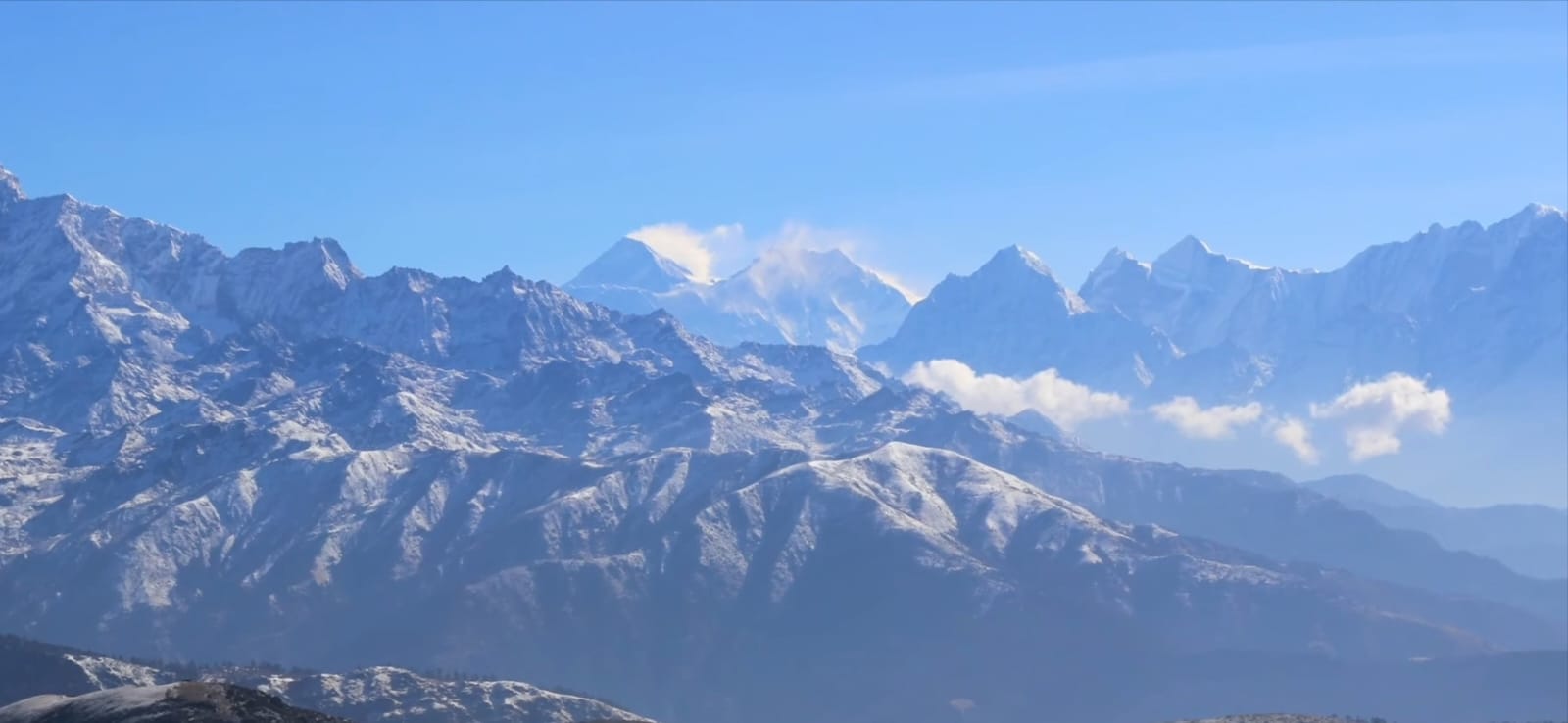
Pikey Peak stands at about 4,065 meters. From the summit and nearby ridges, you can enjoy wide views of the Himalayas. On a clear day, you may see Mount Everest, Lhotse, Makalu, Kanchenjunga, Numbur, Mera Peak, and other peaks.
Unlike the busy Everest Base Camp trail, Pikey Peak offers a quieter experience. You can enjoy the mountains without spending many weeks at high altitude.
Our 6-day Pike Peak Trek suits travelers who have limited time but still want to experience the Himalayas and Sherpa culture. Depending on the route and road conditions, the trek can start from places such as Dhap or Jhapre.
Why Choose the Pike Peak Trek?
The Pike Peak Trek brings together mountain views, local culture, quiet trails, and beautiful sunrise and sunset views.
First, the trek takes you away from the busy Everest Base Camp route. You will walk through peaceful villages and forests. You will also spend time in the lower Solu-Khumbu region.
Another major highlight is the view from Pikey Peak. On a clear morning, the sunrise lights up the Himalayan peaks. The changing colors create a memorable mountain scene.
The route also gives you a chance to see local Sherpa life. You can visit Buddhist monasteries, see prayer flags, and walk beside mani walls and chortens.
If you have more time, you can choose a longer Everest Base Camp Trek. However, if you have only a few days, Pikey Peak offers a great short trek in the Everest region.
Pike Peak Trek Highlights
The Pike Peak Trek offers many highlights:
- Wide views of Mount Everest and other Himalayan peaks
- Beautiful sunrise and sunset views
- Quiet and less crowded trails
- Traditional Sherpa villages
- Buddhist monasteries and local culture
- Rhododendron and pine forests
- Mani walls, chortens, and prayer flags
- Scenic mountain ridges
- Alpine landscapes
- A short alternative to longer Everest treks
- Flexible options for private groups and families
Explore Mount Everest from Pike Peak
One of the main reasons to choose this trek is the view of Mount Everest.
Pike Peak gives you a wide view of the Himalayan range. You can see Everest from a different angle than you would from Everest Base Camp.
On a clear day, several major peaks appear across the horizon. The view becomes even more impressive at sunrise. The first light creates bright colors across the mountain peaks.
The viewpoint also lets you see how the Himalayan range changes from one valley to another. Depending on the weather, you may see peaks toward the eastern Himalayas, including Makalu and Kanchenjunga.
A Peaceful Alternative to the Everest Base Camp Trek
The Everest Base Camp Trek is one of Nepal’s most famous treks. However, it takes more time and reaches a much higher altitude.
The Pikey Peak Trek offers a different experience. The route passes through quiet villages instead of following the busy trail to Namche Bazaar and Everest Base Camp.
As a result, you can spend more time in local communities. You can also enjoy peaceful forests and mountain views.
The shorter route works well for travelers who want to combine a Himalayan trek with other activities during their Nepal trip.
Everest Base Camp Trek with Island Peak
The Everest Base Camp Trek with Island Peak combines the classic Everest Base Camp route with an Island Peak climbing adventure.
The route passes through Sherpa villages, Namche Bazaar, Tengboche, Dingboche, and Everest Base Camp. It then continues toward Island Peak.
This trek suits travelers who want to explore the Everest region and add a mountain climbing experience. Along the way, you can enjoy views of Everest, Lhotse, Ama Dablam, and other peaks.
Island Peak Climbing with EBC
Island Peak Climbing with EBC combines Everest Base Camp trekking with Island Peak climbing.
You first follow the classic EBC trail through the Khumbu Valley. This gives you time to adjust to the altitude and experience Sherpa culture.
After reaching Everest Base Camp, you continue toward Island Peak. The trip then adds a climbing section to the journey.
If you are already in the Everest region and want to climb Island Peak, we also arrange a 2 Days Island Peak Climbing Package from Chhukung.
How Everest Base Camp Trek Helps with Island Peak Climbing
The Everest Base Camp Trek helps prepare you for Island Peak climbing by giving you experience at high altitude.
The route through Namche Bazaar, Tengboche, Dingboche, and Everest Base Camp helps you adjust to lower oxygen levels. It also helps you build endurance and learn how to walk at a steady pace.
However, Island Peak requires more preparation. You need suitable climbing skills, equipment, and guidance before attempting the peak.
Pike Peak Trek and Sherpa Culture
The lower Solu-Khumbu region has a strong Sherpa culture. Buddhist traditions also play an important role in local life.
During the trek, you can visit monasteries and see prayer flags along the trail. You will also see mani walls, chortens, and other Buddhist features.
In addition, you can stay in local lodges and meet people who live in these mountain communities.
Therefore, the Pike Peak Trek offers more than mountain views. It also gives you a chance to learn about local life and culture.
Pike Peak Trek Route and Landscapes
The exact route can change based on the itinerary, road conditions, and starting point.
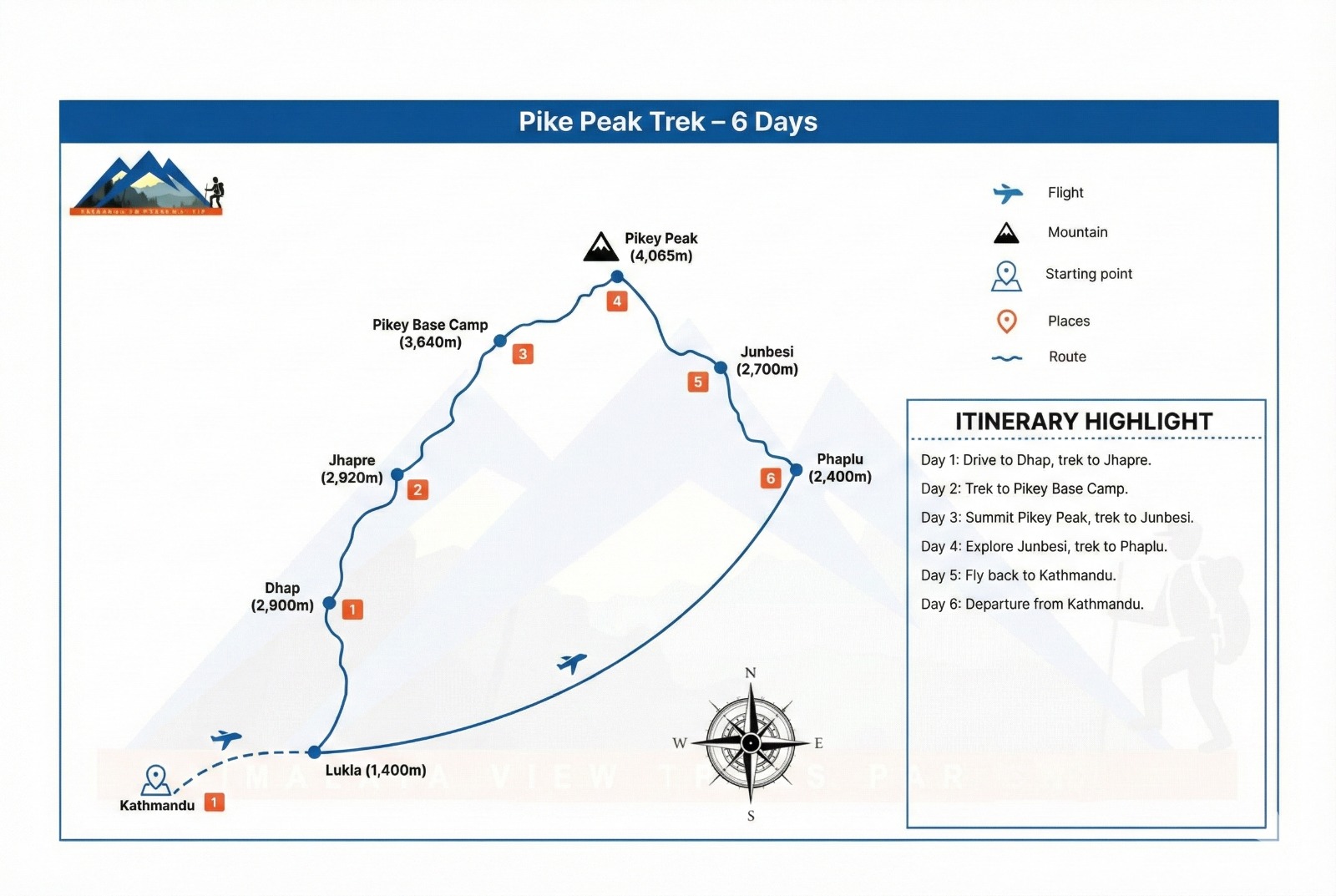
A popular short route passes through Jhapre, Pike Base Camp, Pikey Peak, and Junbesi.
The landscape changes as you gain height. Lower sections have green hills, forests, farms, and villages. Higher sections have open meadows, rocky ridges, and wide mountain views.
Spring brings another special feature. Rhododendrons bloom across parts of the trail and add bright colors to the forests.
Autumn also offers good trekking conditions. The weather is often stable, and clear mornings can provide excellent mountain views.
Best Time for the Pike Peak Trek
The best seasons for the Pike Peak Trek are spring and autumn.
Spring: March to May
Spring brings pleasant trekking weather. Rhododendrons also bloom in the lower forests.
The clear mornings can provide excellent views of the Himalayan peaks. Therefore, spring is a great season for trekkers who enjoy both flowers and mountain views.
Autumn: September to November
Autumn is another excellent season for Pikey Peak.
The monsoon usually ends before autumn begins. As a result, the skies often become clearer and the trails become more comfortable.
October and November are especially popular for trekking in Nepal.
Winter: December to February
Winter brings colder weather. Snow can also cover the higher sections around Pikey Peak.
You can still trek in winter when conditions allow. However, you should prepare for cold temperatures and check the local trail conditions before starting.
Monsoon: June to August
The monsoon brings rain to many parts of Nepal. Wet trails and clouds can make the trek less comfortable.
For better views and easier trail conditions, spring and autumn remain the best choices.
Is the Pike Peak Trek Suitable for Families?
The Pikey Peak Trek can suit families with older children and reasonable fitness.
However, the trek still reaches more than 4,000 meters. Therefore, families should choose a suitable pace and allow enough time for rest.
A private trek gives families more flexibility. Your guide can adjust the walking pace and daily plan based on the group’s needs.
If you want another family-friendly Himalayan trek, the Poon Hill Family Trek offers beautiful mountain views, Gurung villages, and sunrise views in the Annapurna region.
Pike Peak Trek Difficulty
The Pike Peak Trek is generally a moderate trek.
You do not need technical climbing skills. However, you should feel comfortable walking for several hours each day.
The main challenge comes from uphill and downhill sections. The higher parts of the trek also require more effort because of the altitude.
Therefore, good preparation is important. Regular walking, hiking, stair training, and other endurance exercises can help you get ready.
During the trek, walk at a steady pace. Drink enough water and follow your guide’s advice.
Accommodation and Food
You will usually stay in local teahouses, lodges, and guesthouses during the Pike Peak Trek.
Facilities are simple compared with hotels in Kathmandu. However, they provide the basic services needed for a comfortable trekking journey.
You can usually find popular Nepali trekking meals such as:
- Dal bhat
- Rice
- Noodles
- Vegetables
- Potatoes
- Soups
- Tibetan-style dishes
Food choices become more limited in remote villages. Still, the available meals provide the energy you need for trekking.
Extend Your Pike Peak Adventure
You can extend the Pike Peak Trek if you have more time.
For example, you can continue toward Junbesi and explore more of the Solu-Khumbu region.
You can also create a longer private itinerary based on your interests, available time, and fitness.
If you want more high-altitude scenery, you may also add places such as Dudh Kunda, depending on the route, weather, and trail conditions.
This flexibility makes Pike Peak a good option for both short and longer Himalayan holidays.
Why Trek Pike Peak with Himalaya View Treks?
Choosing a local trekking company can make your trip easier and more organized.
Himalaya View Treks can arrange transportation, accommodation, guides, porters, permits where required, and other trekking services.
We can also customize the Pike Peak Trek around your schedule.
You can travel as a solo trekker, couple, family, or private group. We can adjust the itinerary to match your time and interests.
Our local guides can also share information about the villages, monasteries, Sherpa culture, and mountain environment.
As a result, you can experience more than just the mountain views. You can also learn about the people and culture of the Solu-Khumbu region.
Book Your Pike Peak Trek
The Pike Peak Trek combines Himalayan views, Sherpa culture, quiet trails, and beautiful mountain landscapes.
The short duration makes it a good choice for travelers who want a Himalayan adventure without spending several weeks on the trail.
From peaceful villages and forest paths to the wide mountain views from Pikey Peak, the trek offers a different way to experience the Everest region.
If you have limited time but still want to explore the Himalayas, the Pike Peak Trek is an excellent choice.
Contact Himalaya View Treks to plan your trek and explore the peaceful trails, local culture, and spectacular mountain views of the Solu-Khumbu region.
Short Itinerary
Pikey Peak Trek Itinerary - 6 days
Day 1. Drive to Dhap by Sharing jeep from Kathmandu, (2907m) 8/9 hours, and stay overnight at the tea house.
Day 2. Trek to Bulbule (2907m) 6/7 hours, stay overnight at tea house.
Day 3. Trek to Pike base camp (3640m) for 7 hours, stay overnight at tea house.
Day 4. Trek to Junbensi from Base camp (2700m) 8/9 hours, stay overnight at tea house.
Day 5. Junbensi to Phaplu (2460m) 6/7 hours, stay overnight at tea house
Day 6. Phaplu to Kathmandu 8/9 hours drive, and then goodbye to your guide and porters.
Included
- Airport pickup and drop as per client’s arrival and departure date
- Kathmandu to Dhap and Phaplu to Kathmandu by local Sharing jeep
- All meals (Breakfast, lunch, and dinner) during your PIcke Peak Trek
- 5 nights Hotel Accommodation during Pikey Peak Trek
- Government licensed holder, fluent English Speaking, Familiar HVT guide
- One assistant guide if Group sizes is more than 10 trekkers)
- Strong local Porters for Carry trekker’s luggage One porter every 2 trekkers, Note- Porter not includes for Single client.
- Guide and porter wages including their meals, accommodation, and Salary
- Staff insurance including medication coverage
- Equipment for the Company staff
- Water purification drop or tablets for safe drinking water
- Seasonal fresh fruits every day during your Pikey Peak trek
- Oximeter to measure Pulse and oxygen level
- Company T-shirt as a Souvenirs, and duffle bag if needed
- Local government, taxes, including official Service Charge
- Trip completion Certificate
Not Included
- Hotel accommodation and meals In Kathmandu
- Personal expense (shopping, snacks, boil bottle water, hot (tea, coffee) and cold drinks, hot shower, alcohol, Wi-Fi, telephone call, battery charge fee during the Pikey Peak Trek)
- Personal clothing and trekking gear
- Personal travel insurance including evacuation coverage (compulsory) up to 6000m)
- Additional costs if delays and outside the itinerary
- All the costs and expenses which are not mentioned in includes list
- Tips for guide and porters in end of the treks
Useful Info
Trip Highlights
- Stunning Views of Everest: Pikey Peak is renowned for some of the best panoramic views of Everest and the Himalayas, even better than those seen from popular viewpoints like Kala Patthar.
- Diverse Landscapes: The trek passes through dense rhododendron forests, terraced fields, and beautiful Sherpa and Rai villages.
- Rich Culture: Experience traditional Sherpa culture, visit monasteries, and see Buddhist stupas, prayer flags, and mani stones along the route.
- Scenic Sunrises: The sunrise from Pikey Peak (4,065 meters) is mesmerizing, with golden rays illuminating the peaks of Everest, Lhotse, Makalu, and even Kanchenjunga on a clear day.
The Best Time to Trek
- Spring (March-May): Ideal weather, blooming rhododendrons, and clear skies.
- Autumn (September-November): Clear skies, stable weather, and excellent visibility, making it the most popular season.
- Winter (December-February): The trek is possible in winter, though it can get quite cold, especially at higher elevations.
- Monsoon (June-August): Heavy rainfall makes the trail muddy, and views can be obscured by clouds.
Difficulty Level
- Moderate: This trek is accessible for trekkers with basic fitness. It doesn’t reach extreme altitudes, with Pikey Peak itself at around 4,065 meters. The trail has some steep ascents, but the daily hiking distances are moderate.
Permits Required for Pikey Trek
- Gaurishankar Conservation Area Permit
Accommodation and Food
- Teahouses and Lodges: Accommodation on the Pikey Peak Trek is basic, typically in local teahouses offering a bed, meals, and limited amenities.
- Food: Local Nepali dishes like dal bhat, along with basic Western food options, are available at most teahouses.
Special Tips
- Pack for Variable Weather: Conditions can change quickly, especially at higher altitudes, so pack layers, a warm jacket, and rain gear.
- Hydrate and Acclimate: Even though the altitude isn’t extreme, it’s still wise to stay hydrated and ascend gradually to avoid altitude sickness.
- Stay with Local Communities: Support local teahouses and consider hiring a local guide to enhance your experience and contribute to the local economy.
- Start Early for Sunrise: If you want to see the sunrise from Pikey Peak, start very early for a peaceful ascent and a beautiful morning view.
Why Pikey Peak?
- This trek offers one of the best panoramic views of Mount Everest and the Himalayas without the crowds or high altitude challenges of more popular routes. It’s an off-the-beaten-path experience, allowing trekkers to connect deeply with local culture, experience Sherpa hospitality, and enjoy peaceful, less-traveled trails.
Are You Already in Nepal?
If you are already in Kathmandu or Pokhara and looking to hire a guide, porter, or book a tour/trekking package, you can directly contact our expert via WhatsApp at +977-9841146306.
You are also welcome to visit our office:
Himalaya View Treks
Kaldhara Marg, Kathmandu 44600
(1st floor, in front of the Kathmandu Sport Climbing Center)
Trip Map