Trip overview
Nar Phu Valley and Annapurna Circuit Trek with Thorong La Pass – 12 Days Overview
The Nar Phu Valley and Annapurna Circuit Trek with Thorong La Pass is a 12-day Himalayan adventure. It combines the remote Nar and Phu valleys with the classic Annapurna Circuit.
The trek takes you through traditional mountain villages, Tibetan-influenced communities, deep gorges, alpine valleys, and high mountain trails. It also includes two major passes: Kang La Pass (5,322 m / 17,460 ft) and Thorong La Pass (5,416 m / 17,769 ft).
The adventure starts with a bus ride from Kathmandu to Besisahar. From Besisahar, you take a shared jeep to Koto, the gateway to the Nar Phu restricted area.
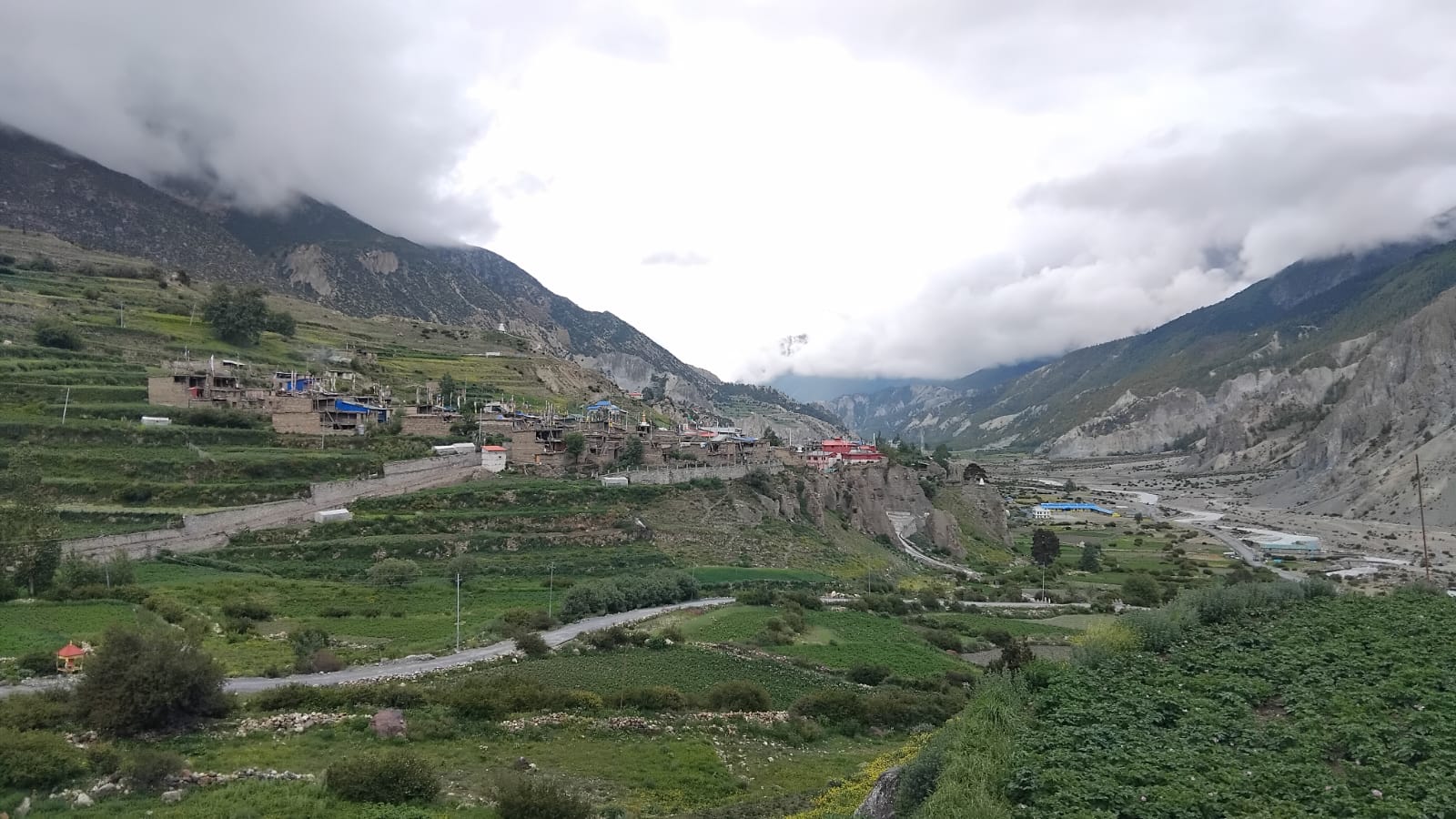
From Koto, the trail enters the remote Nar Phu valleys. Along the way, you pass through forests, narrow gorges, suspension bridges, alpine meadows, and traditional stone villages.
After exploring Phu Gaon and Nar Village, you cross Kang La Pass and descend to Ngawal. From there, you join the Annapurna Circuit.
The trail then continues through Manang, Yak Kharka, and Thorong Phedi. Next, you cross Thorong La Pass, the highest point of the Annapurna Circuit.
After the pass, you descend to Muktinath, an important pilgrimage site in the Mustang region. Finally, you take a bus from Muktinath to Pokhara.
This combined trek suits experienced trekkers who want to explore remote Nar Phu while also crossing two famous Himalayan passes.
Nar Phu Valley and Annapurna Circuit Trek Highlights
- Explore the remote and beautiful Nar and Phu valleys.
- Cross Kang La Pass (5,322 m / 17,460 ft).
- Cross Thorong La Pass (5,416 m / 17,769 ft).
- Explore the traditional stone villages of Phu and Nar.
- Visit Buddhist monasteries, chortens, mani walls, and prayer wheels.
- Walk through deep gorges, alpine meadows, and rugged mountain trails.
- Enjoy views of Annapurna II, Gangapurna, Tilicho Peak, Pisang Peak, and the Chulu Peaks.
- Experience the Tibetan-influenced culture of the Nar Phu communities.
- Join the Annapurna Circuit at Ngawal after crossing Kang La.
- Explore the scenic Manang Valley.
- Visit Muktinath, one of the important pilgrimage sites in the Himalayas.
- Travel through the dramatic Kali Gandaki Valley.
- Experience two major high passes on one trekking adventure.
Why Choose the Nar Phu Valley and Annapurna Circuit Trek?
This trek is a great choice if you want more than the standard Annapurna Circuit.
First, the route takes you into the remote Nar Phu Valley. The area has traditional stone houses, old monasteries, narrow trails, and strong Tibetan cultural influences.
You then cross Kang La Pass and descend to Ngawal. From there, you join the main Annapurna Circuit and continue toward Manang.
Next, you travel through the high Manang Valley toward Thorong La Pass. The pass reaches 5,416 meters and provides a major challenge and a great sense of achievement.
The trek also offers a varied finish. After crossing Thorong La, you descend to Muktinath and take a bus to Pokhara.
As a result, one trek lets you experience remote Nar Phu, the Annapurna Circuit, two high passes, the Mustang region, and the Kali Gandaki Valley.
Nar Phu Valley and Annapurna Circuit Trek Route
The trek begins with a bus ride from Kathmandu to Besisahar. From there, you take a shared jeep to Koto.
Koto marks the entrance to the Nar Phu restricted area. From Koto, the trail heads toward Meta, Phu Gaon, Nar Phedi, and Nar Village.
After exploring Nar Village, you climb toward Kang La Pass (5,322 m). The trail then descends toward Ngawal, where you join the Annapurna Circuit.
From Ngawal, the route continues through Manang and Yak Kharka. You then reach Thorong Phedi before making the long climb to Thorong La Pass (5,416 m).
After crossing Thorong La, you descend to Muktinath. The trek then ends with a bus ride through the Kali Gandaki Valley to Pokhara.
This route combines the remote Nar Phu region with the classic Annapurna Circuit. Along the way, you see forests, deep gorges, stone villages, alpine valleys, high passes, and dry mountain landscapes.
Nar Phu Valley and Annapurna Circuit Trek Difficulty
The Nar Phu Valley and Annapurna Circuit Trek with Thorong La Pass is a moderate to challenging trek.
The route includes long walking days, steep climbs, steep descents, and rough mountain trails. It also crosses two high passes above 5,000 meters.
Kang La Pass (5,322 m) and Thorong La Pass (5,416 m) are the most demanding parts of the trek.
Altitude also adds to the challenge. You will spend several days at high elevations, so you need to walk at a steady pace and allow your body time to adjust.
You do not need technical climbing skills. However, you should have previous hiking experience and feel comfortable walking for several hours on consecutive days.
Good preparation can make the trek easier. Before the trip, practice regular walking, hiking, uphill walking, and downhill walking.
During the trek, follow your guide’s advice. Your guide can help manage your pace, check trail conditions, and support you throughout the journey.
Best Time for the Nar Phu Valley and Annapurna Circuit Trek
The best seasons for the Nar Phu Valley and Annapurna Circuit Trek are spring and autumn.
These seasons usually offer better weather, clearer mountain views, and more suitable conditions for crossing Kang La and Thorong La.
Spring: March to May
Spring brings mild weather and good trekking conditions.
Rhododendrons bloom in the lower sections of the route. In addition, clear mornings often provide excellent mountain views.
Therefore, spring is a great season for trekkers who want comfortable walking conditions and colorful landscapes.
Autumn: September to November
Autumn is one of the most popular trekking seasons in Nepal.
After the monsoon, the skies often become clear. The trails also tend to offer good walking conditions.
October and November are especially popular for high-altitude trekking.
Winter: December to February
Winter brings cold temperatures and snow to the high mountains.
Heavy snow can make Kang La and Thorong La more difficult to cross. Therefore, you should check current trail conditions before planning a winter trek.
Monsoon: June to August
The monsoon brings rain to the lower sections of the route. Rain can cause muddy trails, landslides, and road delays.
The upper Nar Phu and Manang areas receive less rain. However, conditions can still change quickly.
For this reason, spring and autumn remain the best choices for this trek.
Permits for the Nar Phu Valley and Annapurna Circuit Trek
The Nar Phu Valley is a restricted trekking area. You need a special permit before entering the region.
Trekkers must also travel with a licensed guide and use a registered trekking agency for the restricted area.
Depending on the current regulations, the required permits may include:
- Nar Phu Restricted Area Permit (RAP)
- Annapurna Conservation Area Permit (ACAP)
- TIMS Card, where applicable
Permit rules and fees can change. Therefore, we check the current requirements before your trek.
When you book with Himalaya View Treks, our team arranges the required permits and trekking documents. We also arrange a licensed guide for the restricted area.
As a result, you can focus on the trek while our team handles the main permit arrangements.
Accommodation and Meals
You will mainly stay in local teahouses and lodges during the trek.
Facilities are simpler in Nar Phu than on the more developed sections of the Annapurna Circuit. However, the lodges provide the basic services you need during the trek.
Most teahouses offer simple rooms with beds, mattresses, pillows, and blankets. Bathrooms are often shared. Some lodges also provide hot showers for an extra charge.
Meals usually include:
- Dal bhat
- Noodles
- Fried rice
- Pasta
- Soups
- Momos
- Tibetan bread
- Pancakes
- Eggs
- Vegetables
- Tea and coffee
- Hot lemon
Food choices can be more limited in the remote Nar Phu villages. As you join the Annapurna Circuit, you will usually find more food and accommodation options.
By staying in local teahouses, you also support the communities along the trail.
Culture and Local Life in Nar Phu
Culture is one of the main reasons to visit Nar Phu.
The communities of Nar and Phu have strong Tibetan Buddhist traditions. You can see these traditions in the stone houses, monasteries, prayer flags, mani walls, chortens, and prayer wheels.
Local people have traditionally depended on yak herding, farming, and seasonal trade.
The remote location has helped preserve many traditional customs and old building styles. During the trek, you can walk through the narrow lanes of Nar and Phu and visit local monasteries.
You should respect local customs when visiting villages and religious sites. Dress appropriately at monasteries and ask before taking photographs of local people.
In this way, you can enjoy the local culture while also helping protect it.
Responsible Trekking in Nar Phu and Annapurna
The Nar Phu Valley is both culturally and environmentally sensitive. Responsible trekking can help protect this special region.
First, avoid leaving rubbish along the trail. Use waste facilities when available and carry reusable water bottles to reduce plastic waste.
Next, respect local customs, monasteries, religious sites, and private property. Always ask permission before photographing local people.
You can also support local communities by staying in local teahouses and using local services.
Finally, follow your guide’s advice around high passes and remote sections. Mountain weather can change quickly, especially near Kang La and Thorong La.
By trekking responsibly, you can help protect the natural beauty and local culture of Nar Phu for future visitors.
Why Book the Nar Phu and Annapurna Circuit Trek with Himalaya View Treks?
At Himalaya View Treks, we focus on careful planning, local knowledge, and reliable trekking support.
When you book this trek with us, you can receive:
- Experienced and licensed local guides
- Required trekking permits
- Transportation according to the itinerary
- Teahouse accommodation
- Meals during the trek
- Support in the restricted Nar Phu region
- Private or small-group trekking options
- Porter service when included in your package
- Clear information about costs and services
- Support from our Kathmandu team before and during the trek
Our local team understands the challenges of Nar Phu and the high passes. Therefore, we plan the trek with the route, altitude, weather, and local conditions in mind.
Whether you travel privately or with a small group, we can arrange the Nar Phu Valley and Annapurna Circuit Trek with Thorong La Pass around your travel dates and preferences.
Related Trekking Information
If you are planning a high-altitude trek in Nepal, you can also explore these related routes:
- Kanchenjunga Circuit Trek – 20 Days — Explore the remote Kanchenjunga region, traditional mountain villages, and dramatic Himalayan landscapes.
- Tilicho Lake Trek – 10 Days — Visit beautiful Tilicho Lake and explore the diverse landscapes of the Annapurna region.
- Thorong La Pass Trek – 10 Days — Cross Thorong La Pass at 5,416 meters and explore the Annapurna region.
- Manaslu and Annapurna Circuit Trek – 19 Days — Combine the remote Manaslu Circuit with the classic Annapurna Circuit for a longer Himalayan adventure.
- Tilicho Lake and Thorong La Pass Trek Difficulty — Learn about the altitude, terrain, walking hours, and preparation needed for a trek that includes Tilicho Lake and Thorong La Pass.
Short Itinerary
Nar Phu Valley and Annapurna Circuit Trek with Thorong La Pass – 12 Days
Day 01: Drive from Kathmandu to Besisahar by bus and continue from Besisahar to Koto by sharing jeep. Koto is the gateway to the Nar Phu Valley restricted area. Overnight in Koto.
Day 02: Trek from Koto to Meta, following the Nar Khola through pine forests, narrow gorges, waterfalls, suspension bridges, and rugged mountain landscapes. Overnight in Meta.
Day 03: Trek from Meta to Phu Gaon, passing through dramatic mountain scenery and traditional Himalayan landscapes. Explore the ancient village of Phu and its surroundings. Overnight in Phu Gaon.
Day 04: Acclimatization and exploration day in Phu Gaon. Explore the traditional village, Buddhist monasteries, stone houses, prayer flags, and surrounding mountain landscapes. Overnight in Phu Gaon.
Day 05: Trek from Phu Gaon to Nar Phedi, following the trail through remote mountain landscapes toward the Nar Valley. Overnight at Nar Phedi.
Day 06: Trek from Nar Phedi to Nar Village, gradually climbing through rugged terrain. Explore the traditional village and experience its Tibetan-influenced culture. Overnight in Nar.
Day 07: Trek from Nar Village to Ngawal via Kang La Pass (5,322 m / 17,460 ft). Start early and climb toward Kang La Pass. From the pass, enjoy spectacular views of Annapurna II, Gangapurna, Tilicho Peak, Pisang Peak, and the Chulu Peaks. Descend through the mountain landscape toward Ngawal on the Annapurna Circuit. Overnight in Ngawal.
Day 08: Trek from Ngawal to Manang, following the Annapurna Circuit through scenic mountain landscapes and traditional villages. Enjoy views of the surrounding Annapurna ranges and explore the Manang Valley. Overnight in Manang.
Day 09: Trek from Manang to Yak Kharka, gradually gaining altitude through alpine terrain. The trail passes through juniper-covered slopes and open mountain landscapes. Overnight in Yak Kharka.
Day 10: Trek from Yak Kharka to Thorong Phedi, following the trail toward the base of Thorong La Pass. The landscape becomes increasingly rugged as you approach the high pass. Overnight in Thorong Phedi.
Day 11: Early morning trek from Thorong Phedi to Muktinath via Thorong La Pass (5,416 m / 17,769 ft). Cross the famous high mountain pass and enjoy panoramic views of the surrounding Himalayas before making the long descent to Muktinath. Overnight in Muktinath.
Day 12: Drive from Muktinath to Pokhara by bus, following the Kali Gandaki Valley through the Mustang and Myagdi regions. Upon arrival in Pokhara, check into your own hotel. Overnight at your own hotel in Pokhara.
Included
- Pick-up and drop-off service at Trivuwan International Airport in Kathmandu by private Car/Van/Bus.
- 3 Nights Hotel in Kathmandu on BB basic.
- Nar Phu Valley Special Permit.
- Annapurna Conservation area permit Fee.
- Trekker's Information Management System (TIMS) Card.
- One English speaking Government registered experienced guide and required porters.
- Kathmandu-Dharapani and Dharapani-Kathmandu by private Jeep.
- All meals (Breakfast, lunch and dinner) with Lodge accommodation during the trek.
- Staffs, equipment, meals, accommodation, salary and insurance.
- First Aids Kit.
- Local fresh fruit like orange, banana, apple, grape etc .
- All official charges and 13% Government VAT.
Not Included
- International airfare and visa fees (15 Days Visa Fee US$25 and 30 Days US$40).
- Lunch and Dinner in Kathmandu.
- hard and soft table drinks.
- Your own trekking gears.
- Your travel insurance which should include the emergency rescue.
- Tips for Guide and porter
Useful Info
Useful Information for the Nar Phu Valley and Annapurna Circuit Trek
Trekking Permits
The Nar Phu Valley is a restricted trekking area, so you need the appropriate Nar Phu Restricted Area Permit and Annapurna Conservation Area Permit (ACAP). Permit requirements and fees can change, so we arrange and confirm the current requirements before your trek.
Guide Requirement
A licensed trekking guide is required for the restricted Nar Phu region. Our experienced local guide accompanies you throughout the trek and assists with navigation, accommodation, permits, and changing mountain conditions.
Physical Preparation
This is a moderate to challenging trek with long walking days and two high mountain passes. Regular hiking and walking before the trip will help you prepare for the terrain and consecutive days of trekking.
Altitude
The route reaches 5,416 m at Thorong La Pass. Walk at a steady pace, take adequate rest, stay hydrated, and inform your guide if you feel unwell at altitude.
Weather
Mountain weather can change quickly. Conditions are generally most favorable in spring (March–May) and autumn (September–November). Snow can affect Kang La and Thorong La during winter, so pass conditions should be checked before crossing.
Accommodation
Accommodation is mainly in local teahouses and lodges. Facilities are basic in the remote Nar Phu section and generally more developed along the Annapurna Circuit.
Meals and Drinking Water
Breakfast, lunch, and dinner are provided during the trekking days according to your package. Common meals include dal bhat, noodles, rice, pasta, soups, momos, Tibetan bread, vegetables, eggs, and hot drinks. Carry a reusable water bottle and follow your guide's advice about safe drinking water.
Transportation
The journey starts with a bus from Kathmandu to Besisahar, followed by a sharing jeep from Besisahar to Koto. After crossing Thorong La and reaching Muktinath, you travel by bus to Pokhara. Accommodation in Pokhara is at your own hotel, as stated in the itinerary.
Travel Insurance
We strongly recommend comprehensive travel insurance that covers trekking at high altitude and emergency medical assistance. Check the policy carefully before departure to ensure that your planned trekking altitude is covered.
Packing
Bring suitable trekking clothing, sturdy hiking shoes, warm layers, rain protection, sun protection, a sleeping bag suitable for the season, a reusable water bottle, personal medications, and other essential trekking items.
Responsible Trekking
Please respect local traditions, monasteries, wildlife, and the natural environment. Avoid littering, reduce single-use plastic, and ask permission before photographing local people or religious ceremonies.
Important Note
The itinerary may be adjusted if necessary because of weather, trail conditions, road conditions, or other local circumstances. Your guide and trekking team will make decisions with safety and practical trekking conditions in mind.
FAQs
-
How difficult is the Nar Phu Valley Trek?
The Nar Phu Valley Trek is a moderate to challenging trek. It involves several hours of walking each day, steep sections, rugged mountain trails, altitude gain, and the crossing of Kang La Pass at 5,322 m / 17,460 ft. Previous trekking experience and good physical fitness are recommended.
-
What is the highest point of the Nar Phu Valley Trek?
The highest point is Kang La Pass at 5,322 m / 17,460 ft. The pass is the most demanding section of the trek and offers panoramic views of the Annapurna and surrounding Himalayan ranges.
-
Do I need a permit for the Nar Phu Valley Trek?
Yes. You need a Nar Phu Restricted Area Permit (RAP) and an Annapurna Conservation Area Permit (ACAP). The restricted-area permit must be arranged through a registered trekking agency.
-
Can I do the Nar Phu Valley Trek independently?
No. The Nar Phu region is a restricted trekking area, so trekkers must travel with a licensed guide and obtain the required permits through an authorized trekking agency.
-
What is the best season for the Nar Phu Valley Trek?
The best seasons are spring (March to May) and autumn (September to November). These months generally provide better weather, clearer mountain views, and more favorable conditions for crossing Kang La Pass.
-
How many days is the Nar Phu Valley Trek?
Our Nar Phu Valley Trek takes 12 days, including transportation from Kathmandu, trekking through Nar and Phu valleys, crossing Kang La Pass, and returning toward Kathmandu.
-
Where does the Nar Phu Valley Trek start?
The journey generally starts with a drive from Kathmandu to Besisahar and then toward Koto. Koto is the main gateway to the Nar Phu restricted area, where the trekking section begins.
-
What kind of accommodation is available?
Accommodation is mainly in local teahouses and lodges. Facilities are basic in the remote villages of Meta, Phu, and Nar, with twin-sharing rooms and mostly shared bathrooms.
-
Is altitude sickness a concern on the Nar Phu Trek?
Yes. Because the route reaches 5,322 m, altitude sickness is an important consideration. A gradual pace, proper acclimatization, adequate hydration, rest, and following your guide’s advice are important throughout the trek.
-
Does the Nar Phu Trek include the Annapurna Circuit and Thorong La Pass?
Yes. Our itinerary combines the Nar Phu Valley Trek with the Annapurna Circuit, allowing you to experience both the remote Nar and Phu valleys and one of Nepal’s classic high-altitude trekking routes. After exploring Nar Phu, the trail continues toward the Annapurna Circuit and crosses Thorong La Pass (5,416 m / 17,769 ft). After crossing Thorong La Pass, the trail descends to Muktinath, an important pilgrimage site in the Mustang region. From Muktinath, you will travel by road to Pokhara, completing the trekking section of the journey. This combination provides a diverse Himalayan experience, including the remote villages of Nar and Phu, Kang La Pass (5,322 m), traditional Manang villages, the Annapurna mountain landscapes, and the challenging crossing of Thorong La Pass.
Latest Traveller's Reviews
Travel experiences of our clients who recently returned from their trips.